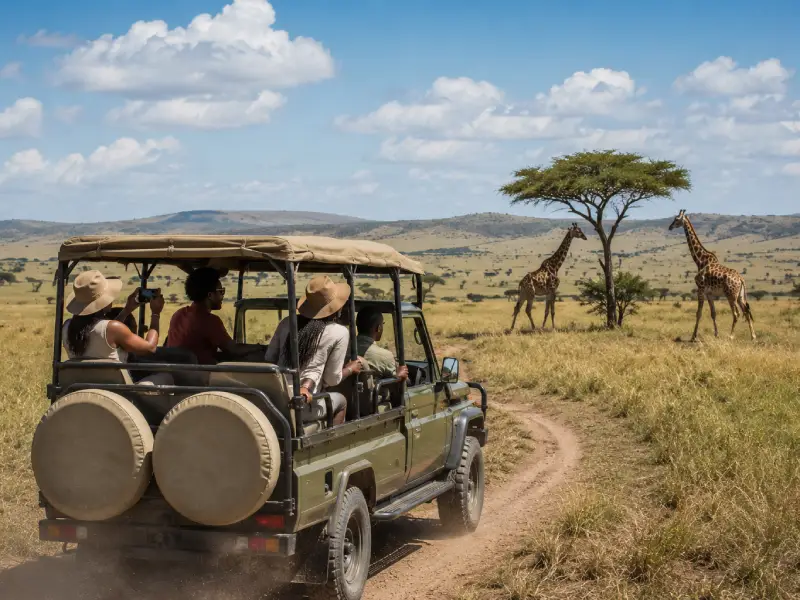
Affordable Getaway Masai Mara Package | 3 Days 2 Nights
KES. 28000 / PP
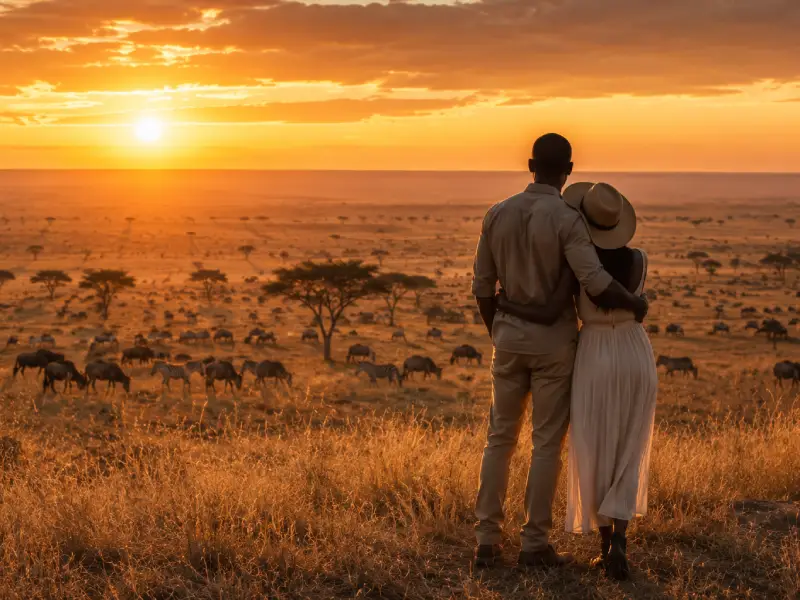
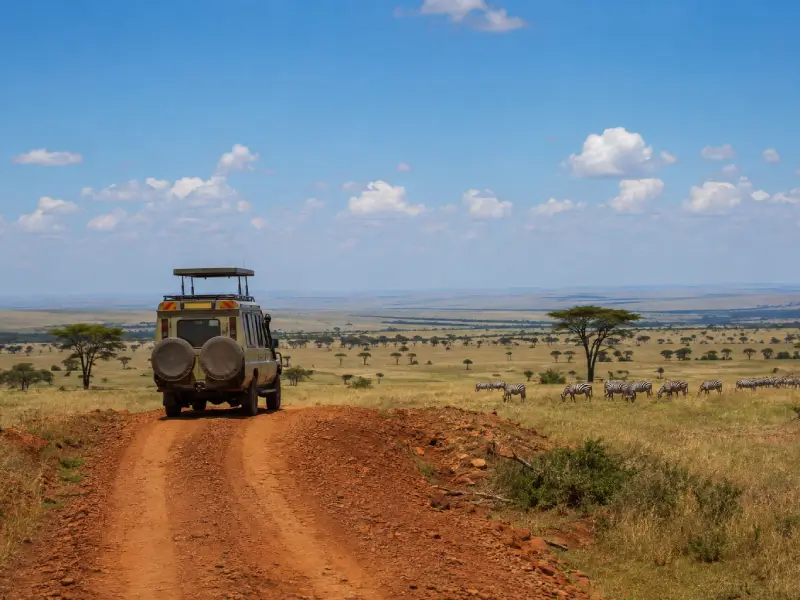
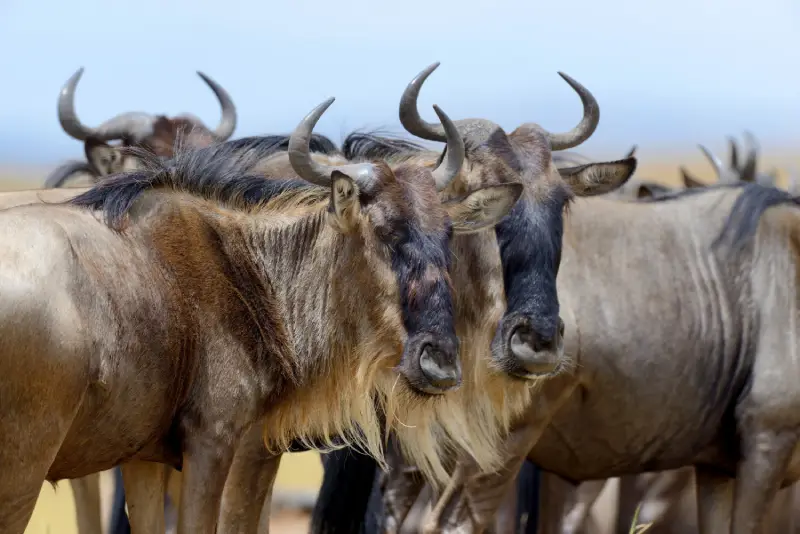
Every year, over 1.5 million wildebeest, 400,000 zebras, and hundreds of thousands of gazelles thunder across the plains of East Africa in an ancient, unstoppable cycle of life and death. When their journey reaches Kenya’s Maasai Mara — and the crocodile-infested Mara River stands between them and survival — the world holds its breath. This is the Great Migration. This is why people fly across the planet to be here. And this is what Baecation Adventures will put you in front of.
Group joining, comfortable lodges, private transfers from Nairobi, full-board meals, park fees included.

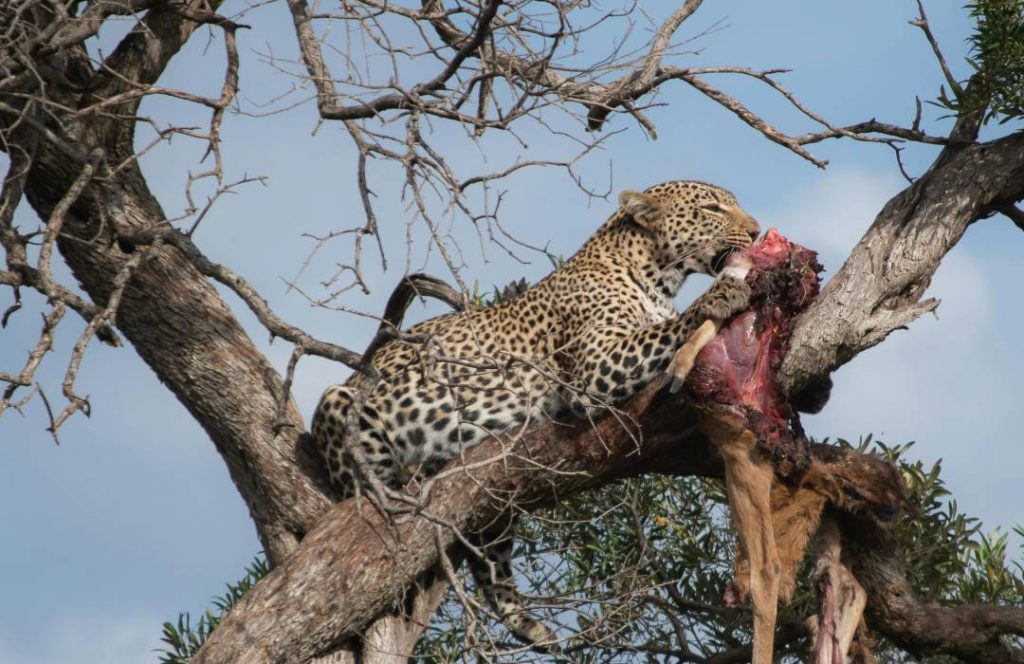

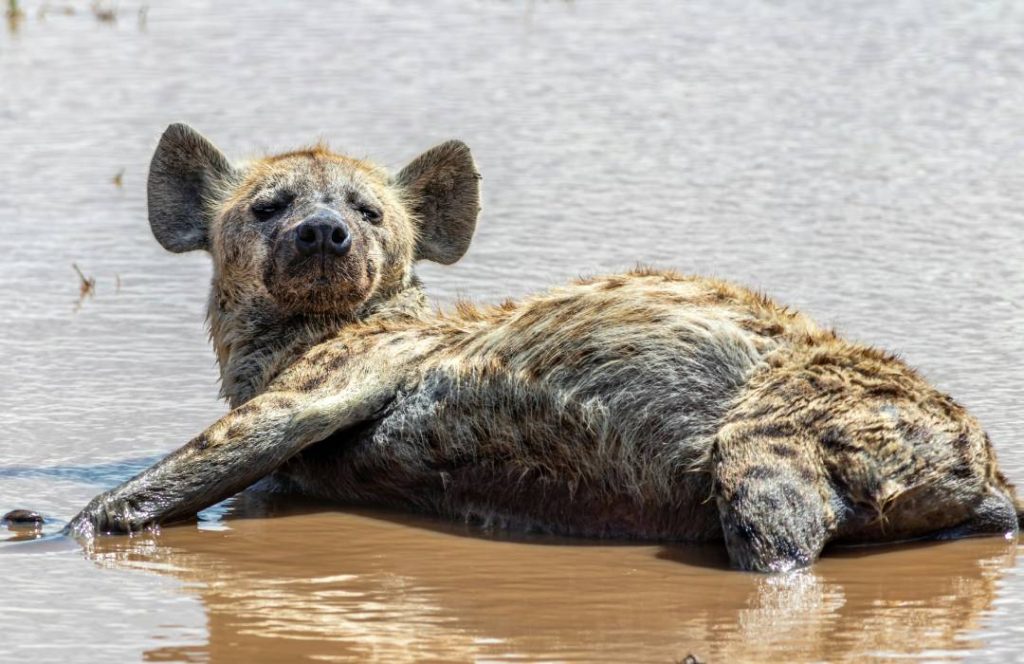
Private vehicle, comfortable to premium lodges inside the main reserve, full-board, domestic flights optional.
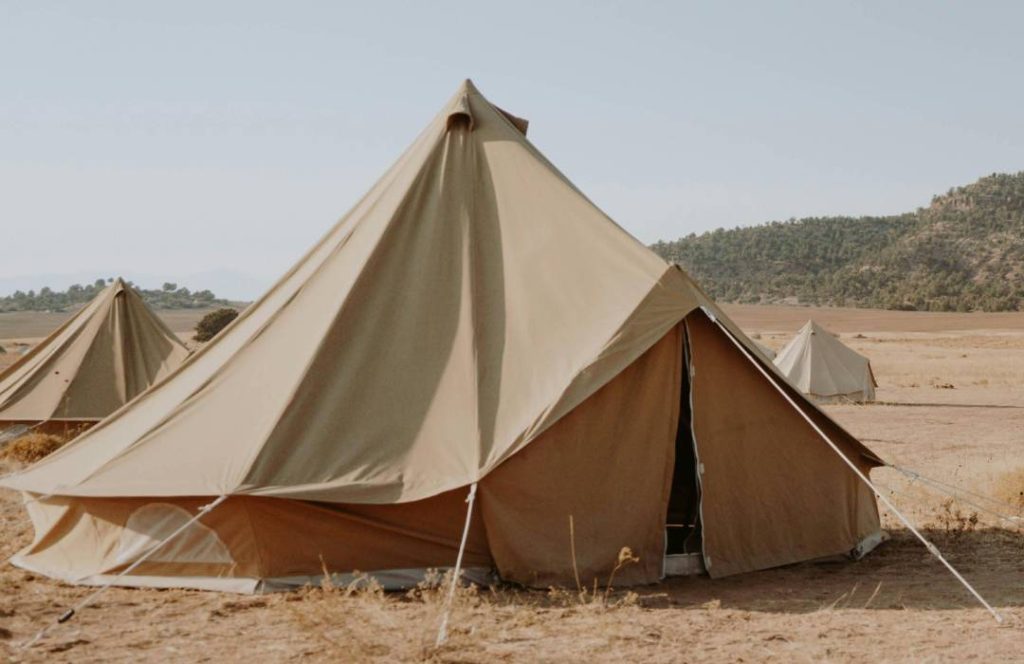

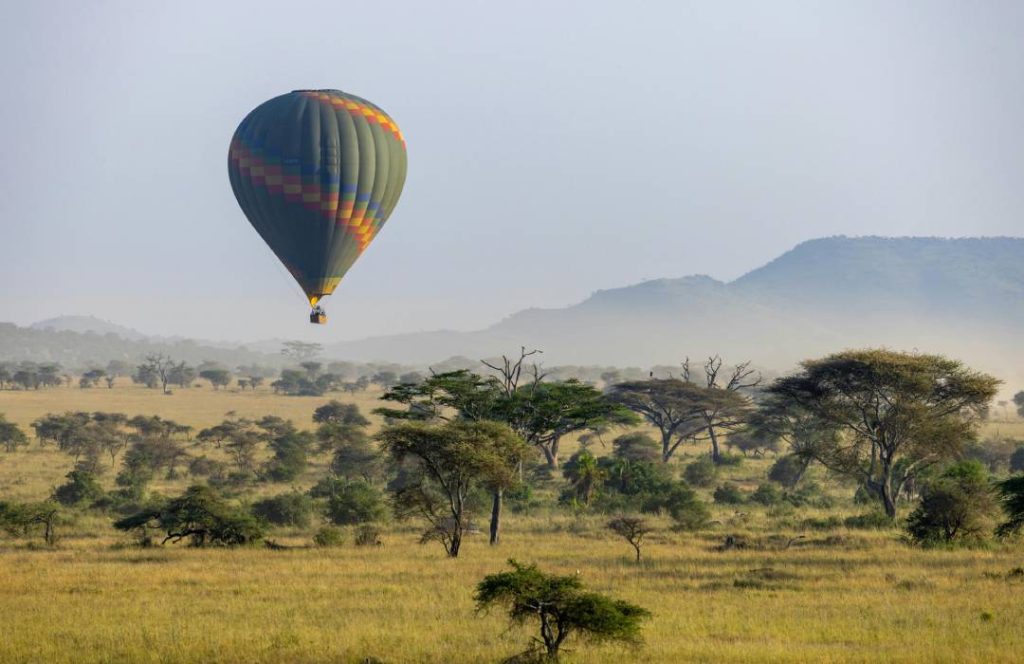
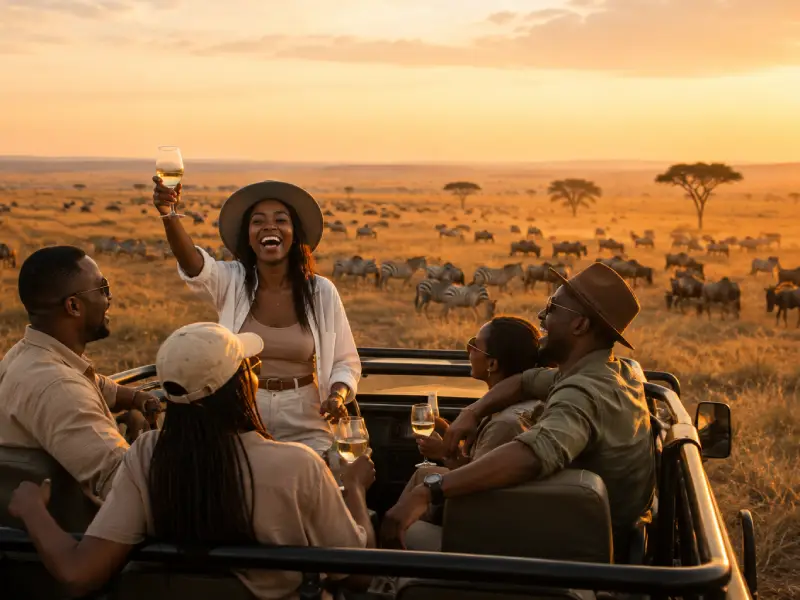
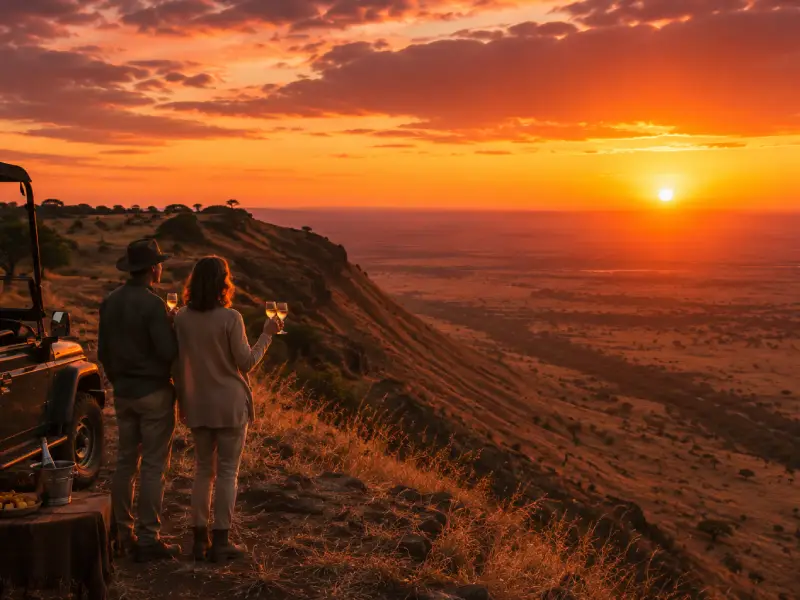
Private conservancy stays, fly-in transfers from Nairobi, private vehicle and guide, luxury tented camps, all meals and house drinks, romantic add-ons available.
4–5 nights Maasai Mara (private vehicle) + 3 nights Diani Beach or Watamu. Fly-in transfers. Full-board safari, half-board coast.

Explore Our Big Five Safari Packages
The Great Migration Safari Kenya packages offered by Baecation Adventures are not off-the-shelf tours. Every itinerary is designed around four non-negotiables: the right location, the right timing, the right guide, and the right amount of time. These four elements — not the lodge brand or the price tier — determine whether a Migration safari becomes a life-defining experience or a beautiful but frustrating near-miss.
We have designed Migration safaris for first-time visitors arriving from five continents, for couples proposing at the Mara River bank, for families celebrating milestone occasions, and for corporate groups finding a shared language in the silence before a crossing. Every trip has taught us something new about how to do this better.
What we offer is not just a safari. It is our local knowledge, our real-time intelligence, our relationships with the best camps and guides in the Masai Mara ecosystem, and our absolute commitment to placing you in the right place at the right time.
The Great Migration is the largest overland movement of animals on Earth and one of the Seven Natural Wonders of Africa. It is not a single event — it is a continuous, year-round journey driven by one relentless instinct: survival.
Over 1.5 million wildebeest, alongside 400,000 zebras, 300,000 gazelles, and thousands of eland, make a clockwise circuit of approximately 800 kilometres through the 40,000-square-kilometre Serengeti-Masai Mara ecosystem spanning Tanzania and Kenya. They follow the rains. They follow the grass. And at every stage of the journey, predators follow them.
The herds spend most of the year in Tanzania’s Serengeti — calving on its southern plains, moving north through its central corridors. But when they reach Kenya’s Maasai Mara between July and October, the drama reaches its peak: the Mara River crossings.
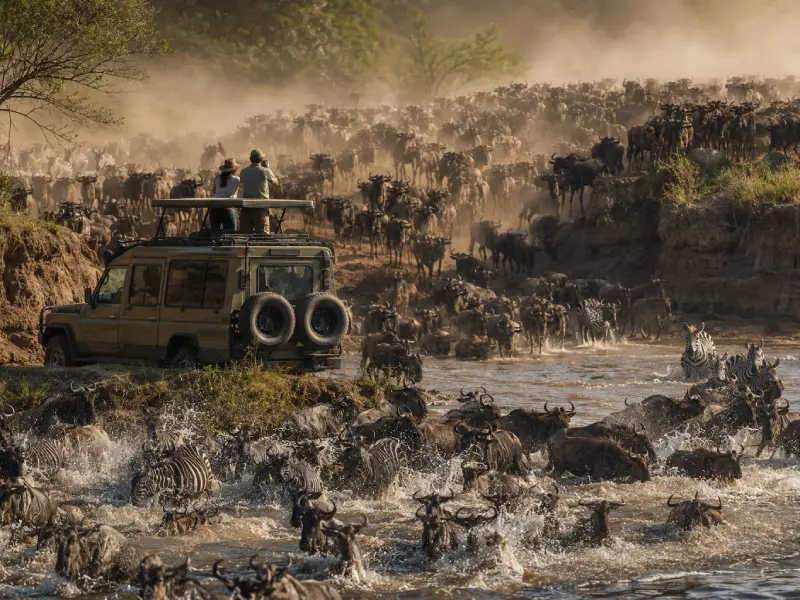
Standing at the bank of the Mara River as thousands of wildebeest gather, pace, turn back, and finally commit — plunging into crocodile-infested water in a thundering, chaotic mass as Nile crocodiles surge from below and lions wait on the far bank — is one of the most viscerally powerful things a human being can witness. It is not a nature documentary. It is real life, happening in front of you, at full volume.
Baecation Adventures has been placing clients at the front row of this event for years. We know where the herds gather, which crossing points are most active, and how to position you for the greatest possible chance of witnessing one of nature’s most extraordinary moments.
For enquiries or bookings, write to [email protected]. We’ll revert within 20 minutes during business hours.
Baecation Adventures positions you in the right place at the right time for the Great Migration — river crossing camps, private vehicles, expert guides, and packages across every budget. The herds will not wait. Neither should you.
Everything you need to know to witness the world's greatest wildlife spectacle — from when to go and where to stay, to river crossing tips and booking advice.
The Great Migration is the largest overland movement of animals on Earth — a continuous, circular journey of over 1.5 million wildebeest, 400,000 zebras, and hundreds of thousands of gazelles across the 40,000-square-kilometre Serengeti-Masai Mara ecosystem spanning Tanzania and Kenya. Declared one of the Seven Natural Wonders of Africa, the Migration is driven purely by the search for fresh grass and water. It is not a single event — it is a year-round phenomenon with distinct phases, each offering something extraordinary. Baecation Adventures designs safaris timed around whichever phase of the Migration matters most to you.
The Great Migration earned its designation as one of the Seven Natural Wonders of Africa because of its sheer, incomprehensible scale. Nothing else on the planet involves this many large mammals moving together across such vast open landscape — pursued by lions, cheetahs, leopards, and crocodiles at every stage. The drama of the Mara River crossings in particular — where thousands of wildebeest plunge into crocodile-infested waters in a life-or-death dash — is widely considered the single most spectacular wildlife event on Earth. Witnessing it changes people permanently.
The core migration involves approximately 1.5 million wildebeest, over 400,000 zebras, and around 300,000 Thomson’s and Grant’s gazelles — along with smaller numbers of eland and impala. They are followed by the full cast of Africa’s apex predators: lions, leopards, cheetahs, hyenas, wild dogs, and Nile crocodiles. An estimated 250,000 animals die each year during the Migration from drowning, exhaustion, injury, and predation — making it simultaneously one of the most dramatic birth and death cycles in nature.
This is one of the most common misconceptions. The Great Migration is a year-round, continuous movement — the herds never stop. What changes is their location. In January and February they are calving in Tanzania’s southern Serengeti. By July they begin crossing into Kenya’s Masai Mara. By November they start moving south again. The famous Mara River crossings — the most dramatic phase — happen broadly between July and October in Kenya. But every month of the Migration offers something extraordinary. Baecation Adventures advises on the best timing for whichever aspect you most want to witness.
The same animals, two chapters. Tanzania’s Serengeti hosts the calving season (January–March) and the long northward trek (April–June). Kenya’s Masai Mara hosts the most dramatic phase — the Mara River crossings (July–October) — where vast columns of wildebeest plunge into crocodile-infested waters. Kenya’s advantage for river crossings is that the wildebeest route is more concentrated, making sightings more likely. The Mara is also faster to access (a 45-minute flight from Nairobi) than Tanzania’s Serengeti. Baecation Adventures can design a combined Kenya-Tanzania Migration safari for clients who want to experience both chapters.
The Migration is in Kenya’s Masai Mara broadly from July through October. For the most intense and frequent Mara River crossings, August and September are peak months — when the largest herds are present, and crossing activity is at its highest. July sees the first herds arriving; October sees them beginning the return south. September often offers a balance of excellent crossings and slightly fewer vehicles than August. Baecation Adventures recommends August or early September for first-time Migration visitors who specifically want to witness a river crossing.
The wildebeest are present in the Masai Mara ecosystem broadly from July to October — outside of this window they are in Tanzania. However, the Masai Mara itself offers outstanding year-round wildlife. Even outside Migration season, the Mara has exceptional Big Five game viewing, large resident populations of lions, cheetahs, and leopards, and one of the highest predator densities on the continent. Baecation Adventures designs Mara safari packages year-round — not just for the Migration.
A general guide:
January–March — calving season in Tanzania’s Ndutu and southern Serengeti;
April–May — long rains, herds moving north through central Serengeti;
June–July — herds gathering in northern Serengeti, first crossings of the Grumeti River;
July–August — first herds entering the Masai Mara, initial Mara River crossings begin;
August–September — peak crossing season in the Mara, most dramatic river action;
October — herds begin returning south, excellent predator activity;
November–December — herds re-entering Tanzania’s Serengeti following the short rains.
Broadly yes — unpredictably specific. The Migration follows a general annual pattern that has repeated for centuries and is driven by rainfall and grass availability. What cannot be predicted is the exact date or time of a river crossing on any given day — the wildebeest gather at the bank, test the water, sometimes turn back, and eventually commit in a spontaneous, explosive decision that no guide or scientist can forecast. Baecation Adventures positions you in the right place at the right time and maximises your time at the crossing points — the rest is nature’s decision.
Yes — increasingly so. With East Africa’s rainy seasons becoming less predictable, the Migration’s timing has shifted in some recent years, with crossings arriving earlier or later than historical norms. This makes staying longer in the Mara more important than ever — a 3-night stay is a gamble, while 5–7 nights significantly improves your chances of witnessing a crossing. Baecation Adventures tracks real-time herd movements and adjusts camp positioning recommendations based on current conditions for every client.
The Maasai Mara National Reserve is Kenya’s primary Migration destination. Within the Mara, the areas closest to the main Mara River crossing points — particularly the Mara Triangle, Mara North Conservancy, and the central reserve — offer the best access to river crossing action. Private conservancies bordering the reserve (Olare Motorogi, Naboisho, Mara North) offer fewer vehicles, off-road driving access, and superior guides — often a better overall experience despite requiring a longer drive to the crossing points. Baecation Adventures advises on the optimal camp location based on the latest herd position reports.
There are three primary crossing points in the Masai Mara: Kichwa Crossing in Mara North Conservancy; Little Governor’s Crossing inside the main Masai Mara National Reserve; and Serena Crossing also inside the main reserve. Each crossing point has a different character and is busy at different times depending on herd movement. Baecation Adventures guides use a network of real-time intelligence from other guides in the field to position your vehicle at the most active crossing point on any given day.
Both have genuine advantages. Inside the reserve gives you the quickest access to the main river crossing points and the densest concentration of animals. Private conservancies (Mara North, Olare Motorogi, Naboisho) offer fewer vehicles on the plains, off-road driving flexibility, night game drives, and guided walking safaris — experiences not permitted in the main reserve. For first-time Migration visitors, a night or two inside the reserve combined with conservancy nights gives the best of both. Baecation Adventures designs itineraries that optimise between the two based on your priorities.
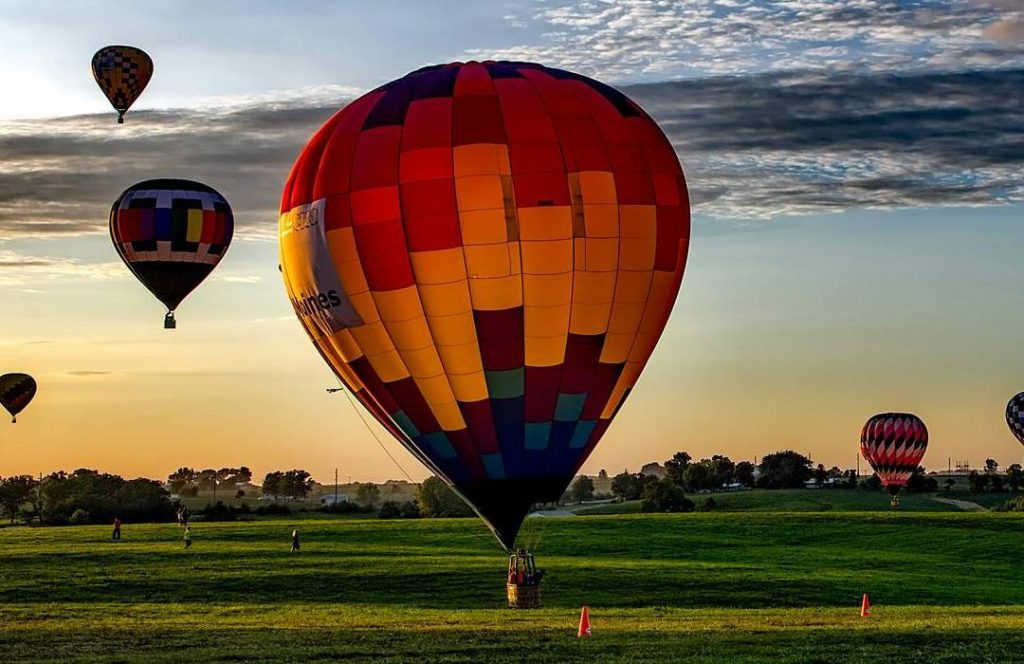
Yes — and a balloon safari over the Masai Mara during Migration season is one of the most extraordinary experiences available anywhere on Earth. From the air, you see the scale of the Migration that is impossible to appreciate from a vehicle — vast columns of animals stretching to the horizon, river crossings unfolding below you, predators in pursuit. Balloons launch at sunrise from various points in the Mara and land to a champagne breakfast on the plains. Baecation Adventures includes balloon safaris as a premium add-on in Migration packages, and strongly recommends booking early as slots fill quickly during peak season.
A river crossing begins with thousands of wildebeest gathering nervously on the bank of the Mara River — pacing, turning back, surging forward. When a critical mass commits, they pour over the bank edge in a thundering, chaotic mass, plunging into the crocodile-infested water. Enormous Nile crocodiles — some over 5 metres long — surge from the depths. Lions and cheetahs wait on the far bank. Most wildebeest make it; many do not. The entire event — from the first animal jumping to the last crossing safely — can last minutes or hours. Watching it is profoundly raw, visceral, and utterly unforgettable.
Crossings vary enormously. A small crossing might be over in 10–15 minutes. A major crossing involving tens of thousands of animals can last 2–3 hours. The most frustrating thing about river crossings is the build-up — herds sometimes gather at the bank for hours before committing to cross, or approach the water and turn back multiple times. Baecation Adventures guides are experienced at reading the herd’s behaviour and positioning you at the bank at the most productive times — minimising waiting time while maximising your chances of being there when the action happens.
No, and any operator who guarantees a river crossing is being dishonest. The crossing is entirely the wildebeest’s decision, driven by instinct and unpredictable triggers. What Baecation Adventures guarantees is positioning you in the best possible location with the best available intelligence on herd movements, and maximising your time at the river during the prime crossing window (August–September). A stay of 4–6 nights in the Mara during this period significantly increases your chances. Clients who witness a crossing almost universally describe it as worth any amount of waiting.
In the main reserve, viewing is conducted from established positions at the river bank — typically 15–50 metres from the crossing action. Guides position vehicles to ensure unobstructed sightlines while respecting park rules that prohibit driving directly to the water’s edge.
In private conservancies, slightly more flexibility is available. Baecation Adventures uses experienced guides who know exactly which bank positions offer the best photographic angles and least vehicle congestion at each crossing point.
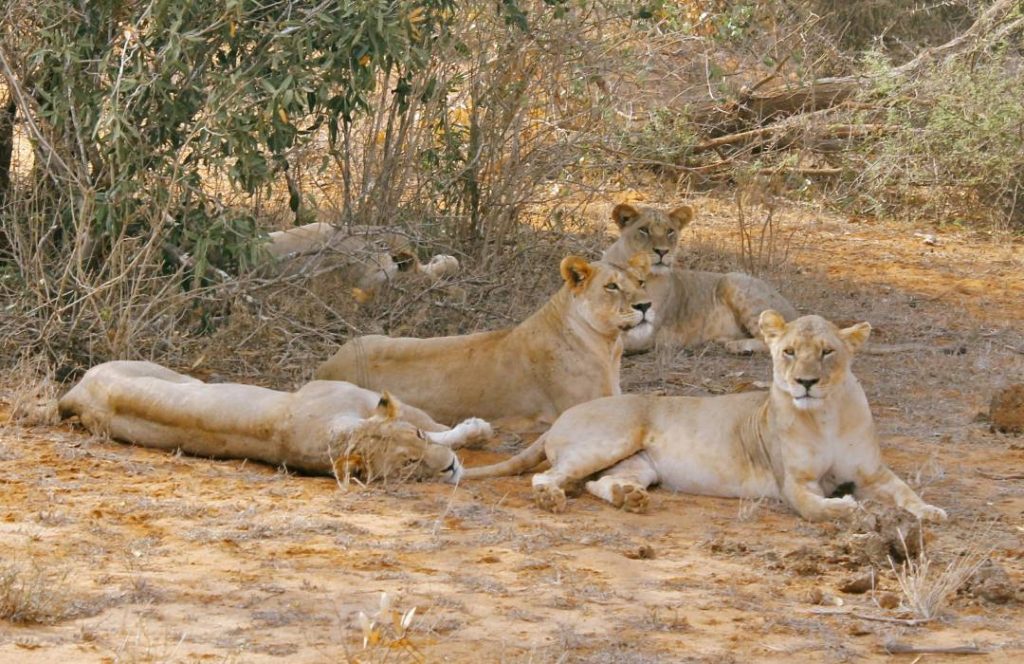
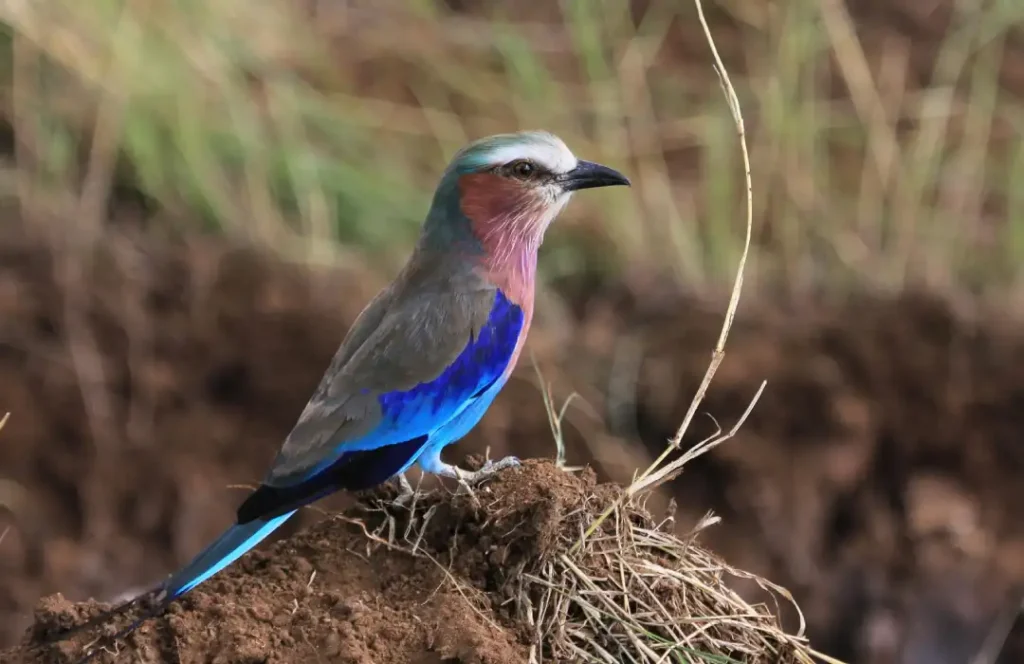
The Migration brings extraordinary predator activity to the Mara. Lions ambush wildebeest at crossing points and on the open plains. Cheetahs pick off stragglers from the herds. Leopards are resident throughout the reserve year-round. Hyenas clean up after kills in large clans. Nile crocodiles patrol the Mara River. African wild dogs — one of Africa’s rarest predators — are occasionally spotted in the Mara. Plus elephants, giraffes, hippos, buffalo, and over 470 bird species. Migration season in the Mara is the single richest wildlife-viewing experience in Africa.
For peak Migration season (July–October), particularly August and September, Baecation Adventures strongly recommends booking 9–12 months in advance. The best-positioned river-view camps and private conservancy lodges sell out this far ahead. Booking 6 months out is possible but limits your choice of property. For the best experience — the right camp in the right location — book as early as possible. If you are reading this in the same year as your planned travel, contact us immediately and we will tell you honestly what is still available.
Baecation Adventures recommends a minimum of 4 nights in the Mara for Migration-focused safaris — giving you enough mornings and afternoons at the river to significantly increase your chances of a crossing. 5–7 nights is ideal: the additional days allow you to explore beyond the river, witness predator hunts on the open plains, and absorb the full scale of the Migration experience rather than spending every hour anxiously watching the bank. Clients who give the Mara more time almost universally describe a richer experience.
Yes — and this is one of the most popular Baecation Adventures packages. A classic itinerary pairs 4–5 nights in the Masai Mara for the Migration with 3–4 nights on Kenya’s Indian Ocean coast at Diani Beach or Watamu. The contrast between the intensity of the Migration and the stillness of the beach creates a holiday with two completely different emotional registers — and the domestic flight connecting them takes under an hour. Baecation Adventures has perfected this combination and it remains our most-requested Migration package format.
Yes — and for travellers who want to experience the full Migration cycle, a combined Kenya-Tanzania itinerary is deeply rewarding. Baecation Adventures designs cross-border packages that combine Masai Mara river crossing time in Kenya with Serengeti game drives in Tanzania, connected by a short domestic flight or road transfer. This allows you to experience both the Kenyan chapter (river crossings) and the Tanzanian chapter (vast plains, fewer vehicles) of the same migration cycle.
Yes — the Migration is one of the most powerful experiences a family can share together. Baecation Adventures selects family-friendly lodges with appropriate facilities and guides who engage younger visitors. Most lodges welcome children aged 5 and above on game drives; some are more conservative with younger ages around the river crossing activity. We advise on age-appropriate experiences and schedule game drives at the times most likely to yield sightings without exhausting younger travellers.
Yes. Baecation Adventures designs solo Migration safaris with either a private vehicle (the best experience) or group-joining options on shared game drives where you travel with small groups of other like-minded travellers. Solo travellers during Migration season often find the shared game drive format particularly rewarding — the collective excitement of witnessing a crossing together with strangers who quickly become friends is something many solo clients describe as a highlight of their experience.
Migration safari pricing spans a wide range. A budget 3–4 day group joining safari to the Masai Mara during Migration season starts from around $500–$900 per person. A mid-range private 5–7 night package (comfortable lodges, private vehicle) runs from $2,000–$4,000 per person. Luxury and exclusive conservancy Migration packages — private camps, fly-in transfers, premium positioning — start from $5,000 per person and above. The Migration premium of 30–50% above standard Mara rates applies during peak season. Baecation Adventures provides fully transparent, itemised quotes across all tiers.
Three factors drive the Migration premium.
First, demand surges massively during July–October — the most sought-after camps and lodges operate at near-total capacity.
Second, Masai Mara park fees increase to $200 per adult per 12 hours during high season (July–December).
Third, the best river-positioned properties are limited in number and priced accordingly. Booking early with Baecation Adventures gives you access to the best value within your budget tier — and we negotiate directly with properties for the most competitive rates available.
Yes. A group-joining Migration safari to the Masai Mara can be as affordable as $500–$900 per person for 3 days, though Baecation Adventures recommends going for at least 4 nights to improve crossing chances. Travelling in early July or late October — the shoulder weeks of Migration season — also reduces costs while still offering genuine crossing potential. Staying outside the main reserve boundary in more affordable properties (while still accessing the reserve daily) is another cost-saving approach we can design around.
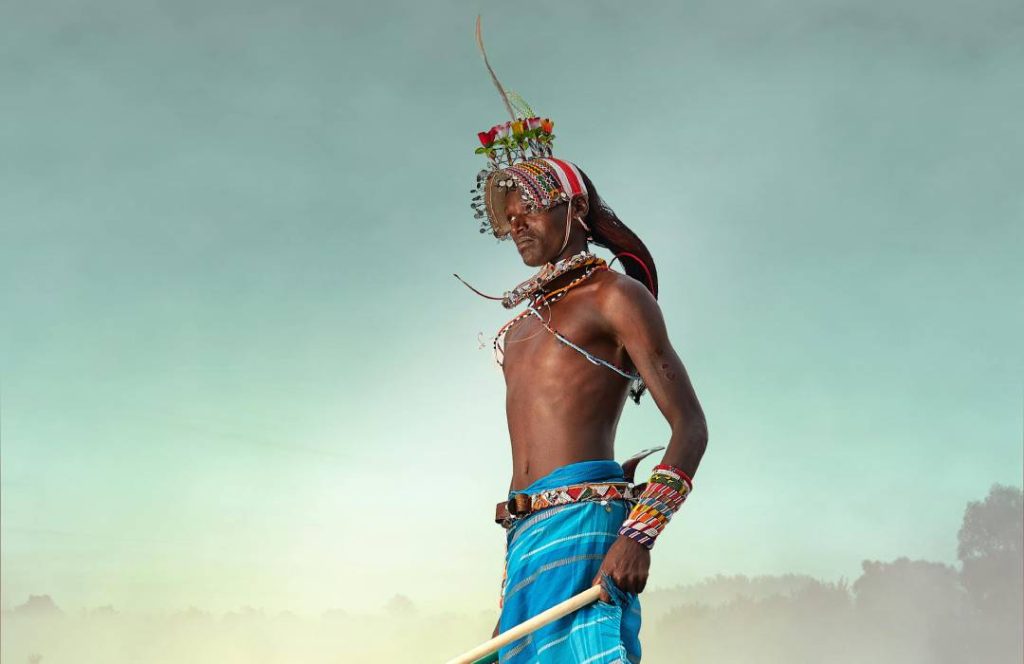
Most Baecation Adventures Migration packages include: return transfers or domestic flights from Nairobi, accommodation (lodge or tented camp), full-board meals, daily game drives with an experienced guide, a private or semi-private safari vehicle, Masai Mara park entry fees, and a dedicated guide who monitors herd movement intelligence daily. Add-ons available include hot air balloon safaris, professional photography, cultural Maasai village visits, and beach extension packages. Every quote is fully itemised — no hidden charges.
A typical Migration safari day begins with a pre-dawn wake-up at around 5:30 am, a quick coffee, and departure by 6 am to catch the golden morning light and the most active period for both the herds and the predators. You spend 4–5 hours in the field before returning to camp for brunch. A midday rest (camps provide lunch and pool or relaxation time). Another game drive departs at 4 pm, positions at the river crossing area before sunset, and returns at dusk. Dinner under the stars, and an early night before doing it all again the next morning. Baecation Adventures builds flexibility into every day’s schedule based on real-time herd intelligence.
Baecation Adventures strongly recommends a private vehicle for a Migration safari. A private game vehicle means it is just you (and your travel companions) with your guide — you decide how long to stay at the crossing, where to position, and when to move. At a river crossing, where the action can be frantic, and every position matters, being in a private vehicle is invaluable. Shared vehicles involve compromise on timing, positioning, and how long you stay at any given sighting. For couples and families, the per-person cost difference between shared and private is often smaller than expected.
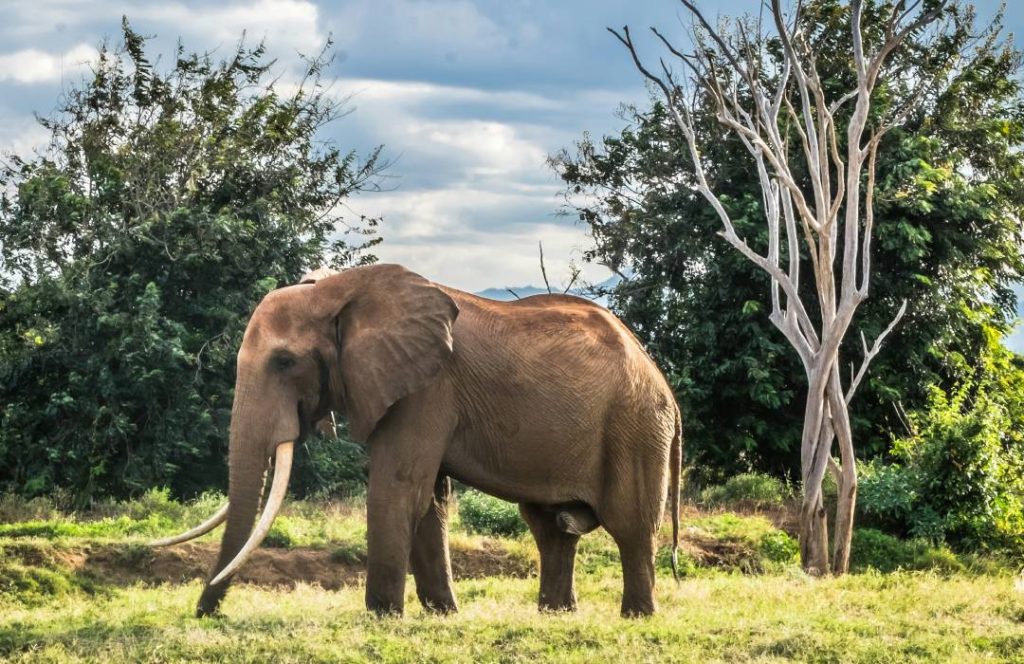
Yes. The Masai Mara is home to all Big Five year-round — lions, leopards, elephants, buffalo, and rhinos. Migration season brings additional drama: the concentration of wildebeest and zebras drives intensified predator activity, making lion and cheetah sightings particularly frequent. Leopards are resident and seen throughout the reserve. Rhinos are present in the Mara, though less common than in dedicated rhino conservancies. Elephants are a permanent feature of the landscape. Baecation Adventures designs game drives that balance time at the river crossing with Big Five sightings across the broader reserve.
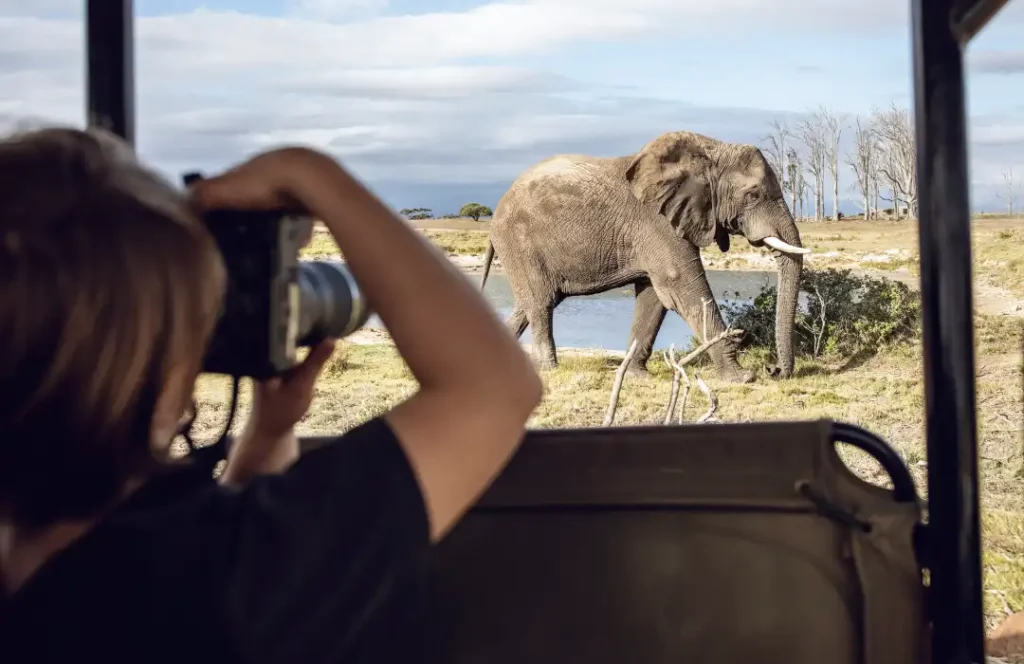
A telephoto lens (300mm minimum, 400–500mm ideal) is essential for capturing river crossings from a distance. A wide-angle lens captures the scale of the herds. A fast lens (f/2.8) is valuable for early morning and dusk light. Bring extra memory cards and batteries — a single crossing can fill a card. A dust-proof camera bag is important given the open vehicles and dusty roads. Baecation Adventures can arrange professional wildlife photography guides for clients who want expert coaching throughout the safari, and position vehicles specifically for the best photographic angles at crossing points.
The Great Migration is one of the best possible first safaris — it provides such a dramatic, concentrated wildlife experience that it immediately converts first-timers into lifelong safari travellers. The emotion of witnessing a river crossing for the first time is something experienced safari guides describe as their favourite part of their job — watching people encounter it with fresh eyes. Baecation Adventures designs first-timer Migration safaris with extra context, education, and guidance woven into every game drive so the experience is deeply understood as well as visually extraordinary.
Pack light neutral or khaki-coloured clothing — bright colours disturb wildlife and attract insects. A warm fleece or jacket is essential — Mara mornings can drop to 10°C. Sunscreen, insect repellent, a wide-brimmed hat, and quality sunglasses are all critical. Binoculars are non-negotiable — bring them and use them constantly. A telephoto camera lens and extra memory cards and batteries for photography. Closed walking shoes for camp walks. Baecation Adventures provides a full personalised packing list with every booking.
Antimalarial prophylaxis is strongly recommended for the Masai Mara region. Yellow Fever vaccination is required if arriving from or transiting through a Yellow Fever endemic country. Hepatitis A and Typhoid vaccinations are advised. Consult your GP or a travel health clinic at least 6 weeks before departure. Baecation Adventures includes a full pre-travel health advisory with every booking, and travel insurance with medical evacuation coverage is strongly recommended for remote safari regions.
Most international visitors require a Kenya Electronic Travel Authorisation (eTA), applied for online before travel at approximately $30 per person. Processing takes 1–3 business days. Apply at least 2 weeks before departure to allow sufficient time. Kenyan residents and citizens do not require an eTA. Baecation Adventures provides full entry documentation guidance with every international booking.
There are two options. A domestic flight from Nairobi’s Wilson Airport to one of the Mara’s airstrips (Kichwa Tembo, Ol Kiombo, Keekorok, or Musiara) takes 45–60 minutes and provides spectacular aerial views of the plains on approach. This is Baecation Adventures‘ recommended option for Migration-focused trips where every day in the field counts. A road transfer from Nairobi takes 5–7 hours depending on traffic and road conditions — a genuine experience in itself through the Rift Valley, but time-consuming. Both options are available and coordinated as part of your package.
Yes. The Masai Mara is one of Kenya’s most established and safe safari destinations, with a well-developed network of lodges, camps, and experienced operators. Baecation Adventures exclusively partners with vetted, licensed properties and experienced guides. All game drives follow established safety protocols — you remain in the vehicle at all times during wildlife encounters. Our team is reachable throughout your stay and monitors conditions in real time. The Migration safari environment is safe, structured, and superbly managed for visitor experience.
Reach out via WhatsApp, Instagram, or our website enquiry form — the earlier the better, given how quickly peak-season slots fill. Tell us your preferred travel dates, group size, budget, and whether you want a Kenya-only or Kenya-Tanzania combined itinerary. Baecation Adventures responds within 24 hours with tailored Migration package options at your budget level. For August and September 2026 travel, booking in late 2025 or early 2026 gives you the widest choice of river-positioned properties. Do not leave it to the last minute — the herds do not wait, and neither do the best camps.