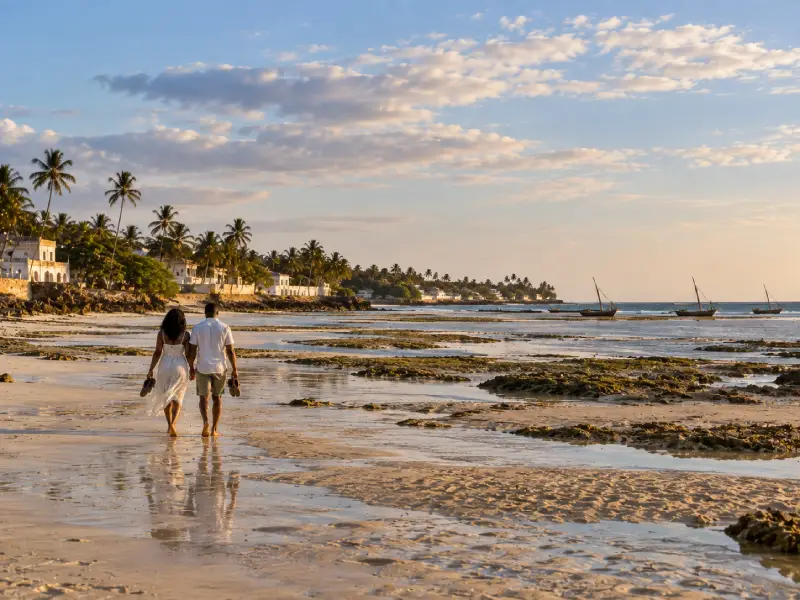
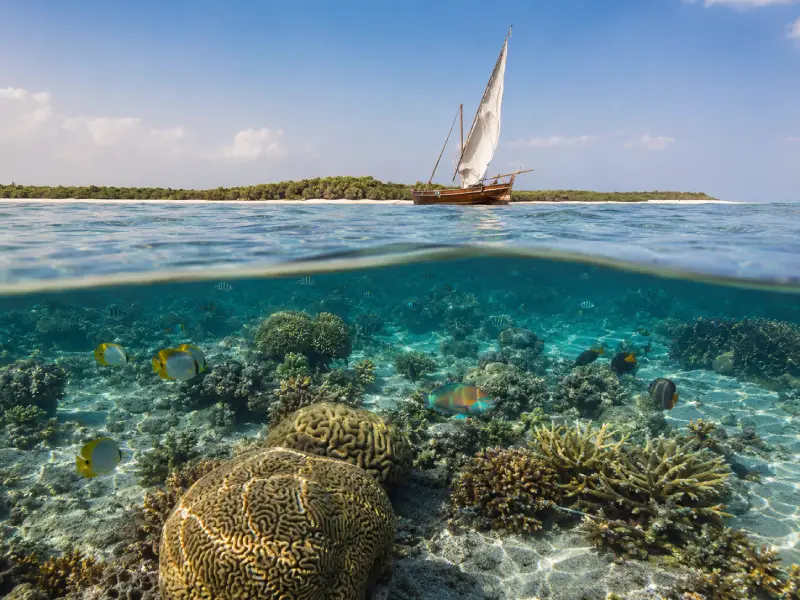
Kenya’s reef runs almost the entire length of the coast, from the Tanzanian border in the south all the way past Lamu. That means good snorkeling is rarely more than a short boat ride from wherever you are staying, whether that is Diani, Mombasa, Watamu or Malindi. Warm water, calm lagoons and coral that sits close to the surface make this one of the easiest places in the world to put your face in the sea and see something worth remembering.
The trouble is that most of what you read online sells the dream and skips the detail. So this guide covers what you actually need to plan the trip: where the best reefs are, what each one costs, when the water is clear, whether you need to know how to swim, and what you will really see once you are out there.
There is also an honest note on dolphins, because that is the promise most operators get wrong. So, welcome to the Snorkeling in Kenya Guide. Karibuni.
Snorkeling in Kenya Guide; The Complete Guide to Best Spots, Prices, Seasons & What You’ll Actually See
Where Can You Snorkel in Kenya?
5 areas carry the bulk of Kenya’s snorkeling, and each one suits a different kind of trip. Picking the right one matters more than most people realise.
1. Kisite Mpunguti Marine Park, Kwale.
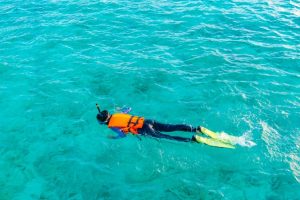 The best coral on the Kenyan coast, sitting south of Wasini Island near Shimoni. The park protects roughly 250 recorded fish species along with resident dolphins, turtles and seasonal whales. You reach it by dhow or glass-bottom boat from Shimoni, usually as a full day out from Diani. If you only snorkel once in Kenya, do it here.
2. Watamu Marine National Park, Kilifi.
The most reliable place in the country to see green turtles, and the calmest water for anyone nervous about the sea. The lagoon is protected, shallow and forgiving, which is why families and first timers do so well here. Watamu is also home to serious turtle conservation work, so the guides tend to know their marine biology properly.
3. Diani and Galu, Kwale.
The convenience option. The reef sits a short boat ride offshore, so you can be in the water within half an hour of leaving your hotel and back on the beach by lunch. Not the richest coral in the country, but easily the best value for anyone with only a morning free.
4. Mombasa Marine National Park.
The cheapest way into the reef, with short boat runs from Nyali, Bamburi and Shanzu. Reef fish are plentiful and the trips are quick, which makes this the natural pick if you are on a beach holiday and want to add snorkeling without restructuring your day.
5. Malindi Marine National Park.
Gazetted in 1968 and widely regarded as the oldest marine park in Africa. The coral gardens here are genuinely good, though visibility suffers more than elsewhere when the Sabaki River runs high after rain.
Which should you choose?
If you want the best reef, go to Kisite. If you want turtles and calm water, go to Watamu.
If you want convenience, snorkel off Diani or Mombasa. Tell us where you are staying and your dates, and we will tell you honestly which one is worth your money that week.
Snorkeling in Kenya Prices — What to Budget.
Here is what our current snorkeling packages cost per person.
| Package | Citizen / Resident | Non-Resident |
|---|---|---|
| Wasini Dhow Safari (full day, departs Diani) | KES 15,000 | $165 |
| Wasini Glass-Bottom Boat (full day, Wasini / Kisite) | KES 7,500 | $90 |
| Mombasa Marine Excursion (half day, Mombasa) | KES 4,500 | $50 |
What each one includes:
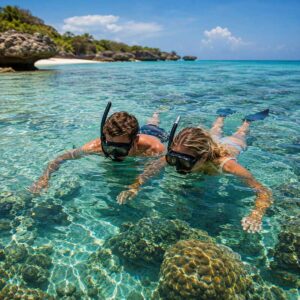 A). The Wasini Dhow Safari is the full experience. A day on a traditional dhow, dolphin spotting on the way out, guided snorkeling on the reef, a seafood lunch with drinks and beer included, plus entry to the Shimoni Slave Caves. Transfers from Diani are covered. This is the trip people remember years later.
B). The Wasini Glass-Bottom Boat covers the same waters at roughly half the price. Glass-bottom boat safari, dolphin sightings, guided snorkeling with all gear provided, seafood lunch and return transfers. It is also the better pick if anyone in your group would rather stay dry, since the reef is visible through the hull.
C). The Mombasa Marine Excursion is the quick, affordable option. A half day on the coral reef with a professional guide and full snorkeling gear, and the marine park fees are already built into the price, which saves you a separate payment on the day.
Prices vary by season and group size, so it is always worth confirming current rates before you travel. If you would rather we organised the whole thing, transport included, please get in touch.
Here are our popular snorkeling and marine packages:
- Kisite Mpunguti Marine Park Day Tour
- Wasini Island Boat Tours – Marine Life and Snorkelling
- Wasini Dhow Cruise Tours
- Snorkeling Mombasa Beach Tours
- Mombasa Snorkelling Packages
- Diani Beach Snorkelling Tours
- Watamu Beach Snorkelling Tours
- Watamu Marine National Park Tours
- Malindi Marine National Park Tours
What About Marine Park Fees?
 If your trip enters a marine national park, and that covers Kisite Mpunguti, Watamu, Malindi and Mombasa, then Kenya Wildlife Service charges an entry fee. The money funds the ranger patrols and reef protection that keep these sites worth visiting.
Rates differ for citizens, residents and non-residents, and children pay less than adults. KWS reviews these figures periodically and the numbers you find on travel blogs are often out of date. So rather than quote something that may have changed by the time you travel, we check the current rate on the KWS eCitizen portal when you book and confirm it in writing with your quote.
Our Mombasa Marine Excursion already includes the park fee in the price. For the other trips we usually handle the payment on your behalf, but bring your ID or passport regardless, because park staff verify residency status at the gate.
One thing worth knowing: the parks run from 6:00 am to 6:00 pm, and fishing is not permitted inside park boundaries. The Mpunguti reserve allows limited fishing; the Kisite park itself does not.
When Is the Best Time to Snorkel in Kenya?
The coast runs on two monsoon seasons, and they change the water completely.
| Period | Conditions | Verdict |
|---|---|---|
| November to March (Kaskazi) | North-east winds, flat sea, clearest water | Best of the year |
| October | Transition, seas settling, fewer crowds | Excellent value |
| April to May | Long rains, run-off cuts visibility | Mixed, mornings often fine |
| June to August (Kusi) | South-east winds, choppier, more sediment | Workable but pick sites carefully |
| September | Winds easing, water improving | Good and quiet |
The short version.
October through March is the sweet spot. The Kaskazi winds come from the north-east, the sea flattens out and visibility on the reef is at its best. December through February is the busiest stretch and prices reflect that, so book early if you want specific dates.
From June to August the Kusi blows up from the south. The boat ride to Kisite gets noticeably bumpier and the water carries more sediment. Snorkeling still runs through these months, we simply move you to more sheltered sites and pick the calmer part of the day.
The tide matters as much as the season.
Most reef trips run at or near high tide, when there is enough water over the coral to snorkel comfortably without touching it. This is why we cannot give you a fixed departure time weeks ahead and instead confirm it a day or two before. Anyone who promises you a 9:00 am snorkel three months in advance is guessing.
Check our calendar | See current offers
Do You Need to Know How to Swim?
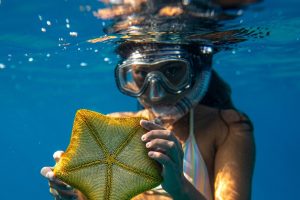 No, and this is the single biggest thing people get wrong about snorkeling.
You wear a buoyancy vest that keeps you at the surface without any effort at all. Your guide stays in the water with you. The shallow reef sections at Watamu, Diani and Mombasa sit in calm, protected lagoon water. Plenty of our guests cannot swim a length of a pool and still spend an hour face down over the coral perfectly happily.
What matters far more than swimming ability is comfort. If putting your face in water makes you anxious, say so when you book. We will put you on a smaller group or a private boat where the guide can give you proper attention, and we will pick a site with an easy entry.
Children.
Most reef trips take children from around eight years old, and child-sized masks, fins and vests are standard on the boats. Younger children come along on the boat and paddle at the sandbank while the older ones snorkel.
Health conditions.
Snorkeling is far gentler on the body than scuba diving, because you stay at the surface and there is no pressure change to manage. Many people snorkel comfortably with conditions that would rule out diving. Even so, we are not medically qualified. If you are pregnant, or you have a heart condition, high blood pressure, asthma or epilepsy, check with your doctor first, then tell us what they said so we can plan around it.
Anyone who simply does not want to get in.
Take the glass-bottom boat. The reef is visible through panels in the hull, so they see the same coral and the same fish from a shaded seat while everyone else swims. Mixed groups are easy for us to handle.
What Will You Actually See?
Let us be specific, because vague promises are how people end up disappointed.
Reef fish are close to guaranteed.
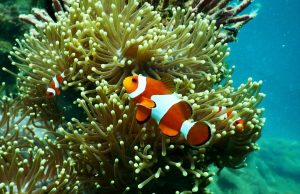
Parrotfish, angelfish, butterflyfish, wrasse, surgeonfish and clownfish are on every site, usually in numbers that surprise first timers. The coral itself is the other half of the show, and Kisite has 56 recorded coral genera.
Turtles are common but not promised.
Green turtles are most reliable at Watamu, and they turn up regularly at Diani and Kisite too. Most guests on a Watamu trip see at least one. Nobody can guarantee it.
Dolphins are where the honesty matters.
Kisite Mpunguti has around 70 resident dolphins, including spinner, humpback and bottlenose, and they are commonly seen from the boat in pods of anywhere from two to twenty-five. They are genuinely a feature of the Wasini and Kisite trips. They are not a feature of the inshore reefs at Diani, Watamu or Mombasa. If dolphins are the reason you are coming, book the Wasini day trip and go out early, because the boats find them most reliably in the morning.
Whales pass seasonally.
Humpbacks migrate along the south coast roughly between July and October, raising calves in the warm water. That window overlaps with the Kusi season, so the sea is rougher, but the Kisite trip becomes a whale trip as well as a snorkeling one.
A word on crowds.
Kisite gets busy in peak season and a lot of boats gather where the dolphins are. If that matters to you, go early, go midweek, or ask us about a private boat.
Wasini Island Boat Tours | Marine Life Safaris
Gear, and What to Pack.
Mask, snorkel, fins and buoyancy vest are included on every trip we run, in adult and child sizes. You do not need to buy anything.
Bring your own mask if you have one you trust, and definitely bring it if you wear prescription lenses. If you want gear to yourself across several days and several beaches, we rent it as an add-on from around $30 per day, alongside a private guide and a photographer.
What to carry:
- Swimwear, worn under your clothes so you are not changing on a boat
- Reef-safe sunscreen, high SPF. Regular sunscreen damages coral and several sites discourage it
- A rash guard or light long-sleeved top. This is the single best sun protection when you are face down for an hour
- A towel and a change of clothes
- A hat and sunglasses for the boat
- A waterproof pouch for your phone
- Seasickness tablets if you are prone to it, taken before you board rather than once you are on the water
- Cash for tips and anything you buy on the island
- ID or passport for marine park verification
Reef Etiquette and Safety.
The reef is a living thing and it is under real pressure. A few habits make the difference.
- Do not stand on coral. Ever. It looks like rock and it is not, and a single footprint kills growth that took years. If you need to rest, float on your back or signal your guide.
- Do not touch anything, including turtles. Give them space and they will usually stay put and let you watch.
- Do not take shells, coral or anything else out of a marine park. It is illegal and rangers do check.
- Do not feed the fish. It changes their behaviour and damages the reef ecosystem the parks exist to protect.
- Wear reef-safe sunscreen, or better, cover up with a rash guard instead.
- Stay with your guide. They know where the current runs and where the shallow coral sits, and they are the reason non-swimmers can do this safely.
Snorkeling or Scuba Diving; Which Should You Pick?
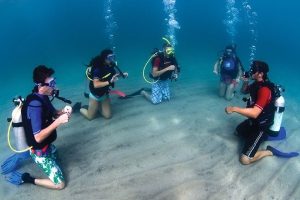 Both put you on the same reef, so the choice comes down to what you want from the day.
Choose snorkeling if you have never done either, you want to be in the water within twenty minutes of arriving, you are travelling with children or non-swimmers, you have a health condition that rules out pressure changes, or you are flying out within 24 hours. Snorkeling carries no altitude restriction afterwards, which matters if you are heading back to Nairobi by air.
Choose scuba if you want to go deeper than the reef top, you have time for a course, and you want to spend 40 minutes below the surface rather than looking down from above.
Plenty of couples do both across a long weekend, snorkeling on the first day and a discover-scuba session on the second. If that sounds like your trip, our scuba diving page covers courses, costs and the altitude rules for flying home.
Getting to the Coast from Nairobi.

By train.
The SGR runs Nairobi to Mombasa daily and is the most comfortable and affordable way down. Book well ahead in December and over the school holidays, because it sells out.
By air.
Flights run from Nairobi to Mombasa, Ukunda (for Diani), Malindi and Lamu. Ukunda is the shortcut if Diani is your base, since it drops you minutes from the beach.
By road.
The drive is long but manageable. If you are heading to the south coast for Diani or Shimoni, ask about the Dongo Kundu bypass, which avoids the Likoni ferry queues that used to make this journey unpredictable.
We arrange transfers, transport and the whole itinerary if you would rather not think about any of it. Vehicle upgrades are available through Bamm Tours.
Turning a Snorkeling Trip Into a Proper Getaway.
Most people do not travel to the coast just to snorkel for two hours. Here is how it fits into a longer trip.
A long weekend in Diani.
Arrive Friday, spend Saturday on the Wasini Dhow Safari with the seafood lunch and the Shimoni caves, then keep Sunday for the beach before you travel back. This is the version most couples book, and it works just as well for friends. See our Diani escape packages.
Watamu with turtles.
Two or three nights in Watamu, a morning in the marine park, an afternoon at Gede Ruins, and a dhow at sunset. Gentler than the south coast and better for families or anyone who wants the trip to feel slow.
Mombasa on a budget.
The half-day Mombasa Marine Excursion at KES 4,500 slots into any beach holiday without disrupting it. Add a glass-bottom boat trip or a Mombasa Marine Park tour and you have a full day on the water for less than most people spend on dinner.
Making it romantic.
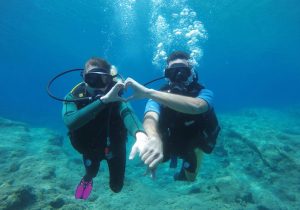 A private boat, a photographer and a massage session booked for the same evening turn a standard reef trip into an anniversary or a proposal. We have done both on Wasini more than once, and the dhow deck at the end of the day is a hard setting to beat. See all add-ons.
Common Mistakes to Avoid.
Booking the Kusi season without asking. June through August still works, but only at the right sites. Travellers who book a Kisite dhow in July without checking often get a rough crossing and cloudy water, then blame the reef.
Assuming dolphins are everywhere. They are resident at Kisite and Wasini. They are not at Diani, Watamu or Mombasa. Book the right trip for what you want to see.
Taking seasickness tablets on the boat instead of before it. They need roughly 30 to 60 minutes to work. Take them before you board or you will spend the crossing asleep on the deck while everyone else is in the water.
Wearing ordinary sunscreen. It harms the coral and it washes off in minutes anyway. A rash guard protects you better and protects the reef too.
Skipping breakfast before a full-day dhow. The Wasini trip is a long morning on the water before lunch is served. Eat something.
Not telling us about a non-swimmer in the group. We plan around it easily if we know. We cannot fix it at the jetty on the morning of the trip.
Booking on arrival. Peak season slots fill, and the tide dictates which sessions are usable on any given day. A few days’ notice gets you the right slot rather than whatever is left.
Frequently Asked Questions About Snorkeling in Kenya.
Where is the best snorkeling in Kenya?
Kisite Mpunguti Marine Park, off Wasini Island in Kwale County, has the best coral and the widest range of marine life, with roughly 250 recorded fish species and resident dolphins. Watamu Marine National Park is the best choice for green turtles and calm water. Diani and Mombasa are the most convenient if you only have a morning free.
How much does snorkeling in Kenya cost?
| Package | Citizen / Resident | Non-Resident |
|---|---|---|
| Wasini Dhow Safari (full day) | KES 15,000 | $165 |
| Wasini Glass-Bottom Boat (full day) | KES 7,500 | $90 |
| Mombasa Marine Excursion (half day) | KES 4,500 | $50 |
Gear, guide and boat are included in all three. The Mombasa excursion also includes marine park fees.
Do you need to know how to swim to snorkel?
No. You wear a buoyancy vest that keeps you afloat without effort, and the guide stays in the water with you throughout. Many of our guests cannot swim. Tell us in advance and we will choose a calm site and a smaller group.
When is the best time of year to snorkel in Kenya?
October through March, when the Kaskazi winds flatten the sea and visibility is at its best. June to August brings the Kusi from the south, which makes the crossing rougher and the water less clear.
Can children go snorkeling in Kenya?
Yes. Most trips take children from around eight, with child-sized gear on board. Younger children are welcome on the boat and usually paddle at the sandbank instead.
Will I see dolphins?
At Kisite Mpunguti and around Wasini, very likely, usually from the boat and sometimes close. Around 70 dolphins are resident there. On the inshore reefs at Diani, Watamu and Mombasa, no. Book the Wasini trip if dolphins matter to you.
Do I pay marine park entry fees separately?
It depends on the package. Our Mombasa Marine Excursion includes them. For other trips we confirm the current KWS rate through the eCitizen portal when you book and usually pay it on your behalf. Carry your ID or passport, since residency status is checked at the gate.
How long does a snorkeling trip take?
The Mombasa excursion is a half day. The Wasini dhow and glass-bottom boat trips are full days, roughly eight to nine hours including transfers and lunch.
Are you Ready to Book Your Snorkeling Trip?
Baecation Adventures can put the whole thing together: the boat, the guide, the gear, the park fees, the transfers and the rest of the trip around it. Tell us your dates, your group and where you are staying, and we will recommend the reef that actually suits you rather than the one we most want to sell.